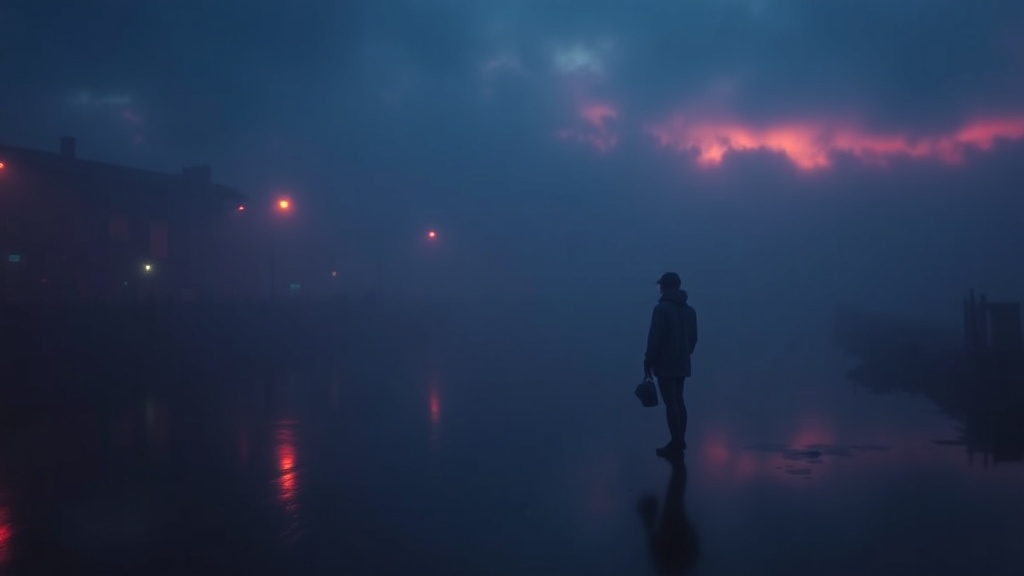
Building a Poem Around a Single Color Palette

A bruised plum sits on a wooden table, its skin a deep, matte violet that bleeds into a bruised indigo near the stem. Next to it, a single drop of spilled red wine darkens the grain of the wood. This isn't just a scene; it's a controlled environment of color. Using a specific color palette in your poetry helps you move beyond vague descriptions and forces you to find precision in your imagery. This method grounds your metaphors in a physical reality that readers can actually feel.
Most writers struggle with being too broad. They say a sky is "blue" or a fire is "red." That's fine for a first draft, but it lacks teeth. By choosing a palette before you even write the first line, you create a sensory constraint. Constraints are actually where the best creativity happens.
How Do You Select a Color Palette for a Poem?
You select a color palette by choosing a primary hue and two to three supporting shades that share a similar temperature or saturation.Cyan or the sterile white of a hospital hallway. If you want warmth, look toward the ochre of dried grass or the burnt sienna of a terracotta pot.
A good way to start is to pick a single object. If you're writing about a rusted bicycle, don't just think "orange." Think about the specific shade of oxidation—the flaky, burnt umber and the bright, jarring copper of a fresh scratch. This is exactly what I talk about when discussing writing poetry through the lens of a single object. The object dictates the color, and the color dictates the poem.
Here is a quick way to categorize your palettes:
- Monochromatic: Different shades and tints of a single color (e.g., navy, sky blue, and teal).
- Analogous: Colors that sit next to each other on the color wheel (e.g., yellow, amber, and orange).
- Complementary: High-contrast pairs that create tension (e.g., deep violet and a sharp, citrus yellow).
Why Does Color Constraint Improve Imagery?
Color constraint improves imagery because it prevents "adjective soup"—that messy habit of piling on too many descriptive words that don't actually mean anything. When you limit your palette, every word carries more weight. If your poem is "green," then a mention of "gold" becomes a massive, intentional event. It breaks the pattern.
Think about the difference between these two lines:
The forest was green and the sun was bright and the flowers were colorful.
The moss clung to the cedar in velvet emerald, while a single sliver of pale lemon light cut through the canopy.
The second one works because it isn't just "describing" things; it's building a world out of specific pigments. The first one is just a list of facts. The second one feels like a painting. (And honestly, the more specific you are, the less work your reader's brain has to do to visualize the scene.)
This technique is a great way to practice turning abstract concepts into concrete imagery. If you're trying to write about "loneliness," don't use the word "lonely." Instead, use a palette of slate gray, ash, and a pale, washed-out denim. The color tells the story of the emotion so you don't have to.
The Color Comparison Table
Use this table to decide which "vibe" your poem needs before you start drafting. It might save you a lot of time during the editing phase.
| Desired Mood | Primary Palette | Texture Association |
|---|---|---|
| Melancholy/Sadness | Indigo, Slate, Ash | Damp, Heavy, Blurred |
| Vitality/Energy | Crimson, Tangerine, Gold | Sharp, Bright, Jagged |
| Nostalgia/Peace | Sepia, Sage, Ochre | Soft, Dusty, Faded |
| Tension/Conflict | Black, Stark White, Blood Red | Hard, Polished, Piercing |
Can Color Palettes Change the Rhythm of a Poem?
Yes, color palettes can change rhythm because different colors naturally suggest different "weights" and speeds of language. A palette of "heavy" colors like burgundy, forest green, and charcoal often leads to longer, more languid sentences with heavy consonants. A palette of "light" colors like mint, peach, and pale lavender often invites shorter, breathier lines and softer vowels.
When I'm working on a piece, I often look at the "weight" of the words. A word like "obsidian" feels heavier and more permanent than a word like "glimmer." If your palette is dark and heavy, your word choice should reflect that density. If you're using a bright, neon palette, your rhythm should probably feel more erratic or high-energy. It's all about the marriage between the visual and the auditory.
A quick exercise to try:
- Pick a color (e.g., Cobalt Blue).
- Find five nouns that are that color (e.g., Bluebird, Sapphire, Denim, Bluebell, Ice).
- Find five adjectives that describe the *texture* of that color (e.g., Cold, Deep, Electric, Veined, Frosty).
- Write a four-line stanza using only those elements.
This isn't just about being pretty. It's about being precise. When you limit your options, you actually expand your ability to communicate. You stop relying on clichés and start building something that feels intentional. It's a much more satisfying way to write, even if it feels harder at first. (And it definitely is harder at first.)
If you find yourself stuck, look at real-world examples of color theory in art. Look at how a painter like Claude Monet used a palette to dictate the light of a specific time of day. You can do the same with your words. You aren't just writing a poem; you're painting with a limited set of brushes.